How to Use Your Printer for Custom Gift Wrapping Paper
Introduction to Custom Gift Wrapping Paper
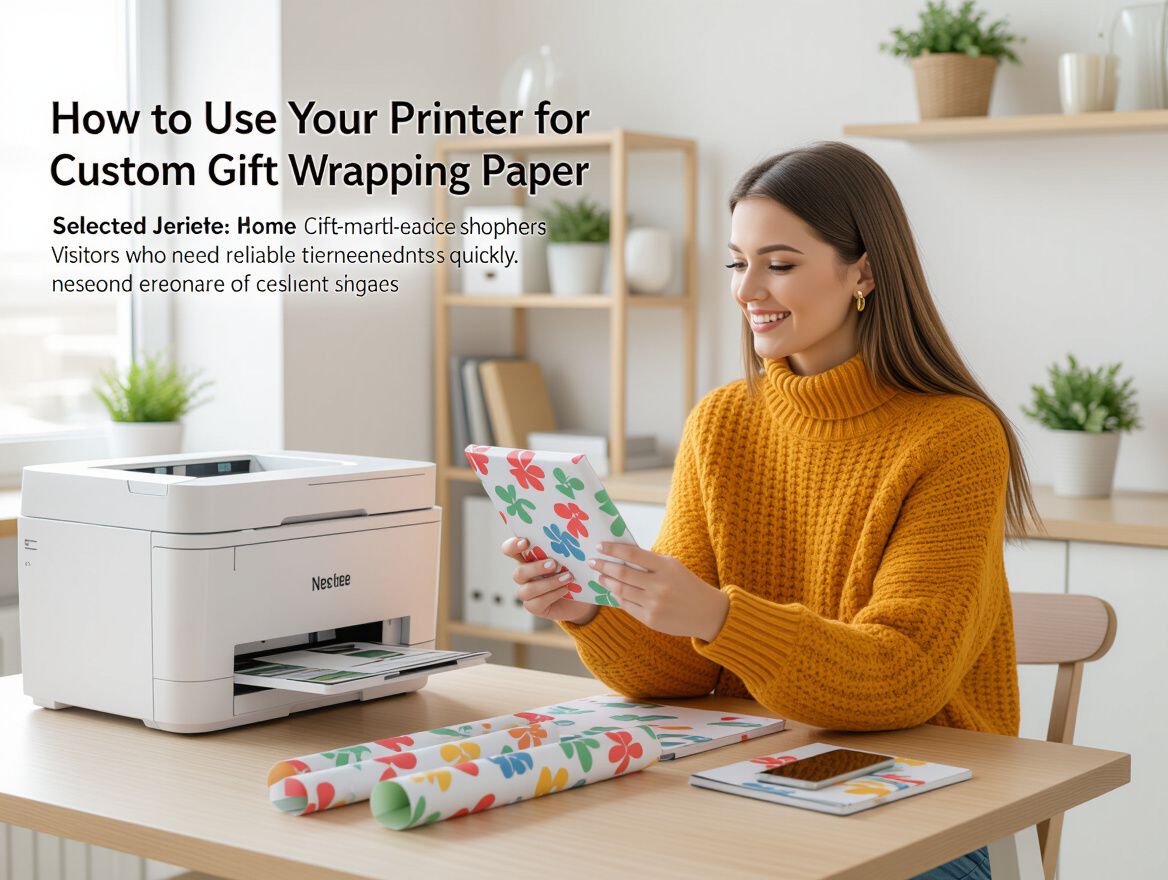
Creating personalized gift wrapping paper has become a popular trend, allowing individuals to infuse their creativity into every gift. This unique approach not only enhances the presentation but also adds a personal touch that can make the recipient feel special. With the right tools and materials, anyone can design custom wrapping paper that reflects their style and the occasion.
When it comes to the printing process for wrapping paper, understanding the options available is crucial. Most commonly, inkjet printers are favored for home projects due to their versatility and ability to handle various paper types. For more professional results, laser printers or specialized digital printing setups can produce crisp and vibrant images. Here are some key points to consider:
- Material Selection: Choose paper that complements your design. Standard wrapping paper weights typically range from 70 to 100 GSM, with heavier papers providing a more luxurious feel.
- Printer Compatibility: Not all printers handle thin or specialty papers well. Ensure your printer can accommodate the type of wrapping paper you intend to use.
- Design Options: Utilize graphic design software or online templates to create unique patterns, images, or text that resonate with the gift recipient.
By embracing the art of custom gift wrapping, you can transform a simple gift into a memorable experience, making the effort of personalization worthwhile.
Key Criteria for Choosing a Gift Wrapping Paper Printer
When selecting a printer for custom gift wrapping paper, it's essential to evaluate specific features that will impact the quality and effectiveness of your prints. Here are the key criteria to consider:
-
Printer Type (Inkjet vs. Laser):
- Inkjet Printers: Generally better for vibrant colors and detailed designs, making them suitable for intricate wrapping paper patterns. Ideal for home use and smaller print runs.
- Laser Printers: Offer faster printing speeds and sharper text, which can be beneficial for larger batches. They tend to handle heavier paper weights better, but may have limitations on color vibrancy compared to inkjets.
-
Paper Weight and Compatibility:
- Look for printers that can handle paper weights between 70-100 GSM, which is standard for wrapping paper. Ensure the printer's specifications indicate compatibility with the paper type you intend to use, as some printers may struggle with thinner or specialty papers.
-
Print Resolution and Quality:
- Higher print resolution (measured in DPI) results in sharper images and finer details. For custom gift wrapping, aim for at least 1200 DPI to ensure your designs look professional and visually appealing.
By evaluating these criteria, you can make a more informed choice that aligns with your creative vision and practical needs, ensuring your custom gift wrapping paper stands out.
Understanding Trade-offs in Printing Custom Wrapping Paper
When considering how to create custom gift wrapping paper, it's essential to weigh the pros and cons of DIY printing versus professional services. Each method has distinct advantages and disadvantages that can influence your creative process and final product.
DIY Printing
Pros:
- Cost-Effective: Printing at home can be more affordable, especially for small batches.
- Creative Control: You have the freedom to design exactly what you envision, using your own images and text.
- Convenience: It allows for quick adjustments and instant access to materials.
Cons:
- Quality Limitations: Home printers may struggle with high-quality results, especially on thinner papers which can lead to smudging or bleeding.
- Material Constraints: Not all printers handle specialty papers well, which can limit your choices for unique textures or finishes.
- Time-Consuming: The process can be slower, particularly if you need to troubleshoot printer issues or adjust designs.
Professional Printing Services
Pros:
- Superior Quality: Professional services often use high-end printers and materials, ensuring crisp details and vibrant colors.
- Variety of Options: Access to a wider range of paper types and finishes, including thicker, more luxurious options.
- Scalability: Ideal for larger projects or events where consistency and quality are paramount.
Cons:
- Higher Costs: Professional printing can be significantly more expensive, especially for custom designs.
- Less Flexibility: Once you submit your design, making changes can be cumbersome and may incur additional fees.
- Lead Times: Depending on the service, there may be longer wait times for printing and delivery.
Cost Considerations and Material Choices
When deciding between DIY and professional services, consider your budget and the type of paper you want to use. For instance, while thinner papers may work for home printing, thicker options often yield better results with professional services. Understanding the GSM (grams per square meter) of the paper can help you choose the right thickness for your projects.
Quality vs. Convenience
Ultimately, the choice between DIY and professional printing hinges on your priorities. If you value creativity and cost savings, DIY may be the way to go. However, if you prioritize high quality and a polished finish, investing in professional services might be worthwhile. Carefully evaluate your needs to find the best fit for your custom gift wrapping paper project.
Risks and Challenges of Printing Gift Wrapping Paper
Creating custom gift wrapping paper can be a delightful way to express creativity, but there are several risks and challenges that you should consider before diving into the printing process. Understanding these pitfalls can help you make informed decisions and achieve the best results.
-
Common Printing Problems: Home printers often face issues like paper jams and ink smudging. Thin or textured papers, which are popular for gift wrapping, may not feed smoothly through standard printers, leading to frustrating interruptions.
-
Limitations of Home Printers: Many home printers are not designed for thicker or specialty papers. While inkjet printers can be versatile, laser printers generally provide sharper images and better ink adherence on various paper types. However, using a laser printer can sometimes result in overheating or damage to delicate wrapping paper.
-
Choosing the Right Paper Type: Selecting the right paper is crucial. Gift wrapping paper typically ranges from 70-100 GSM (grams per square meter), with heavier weights offering more durability but potentially causing feed issues in some printers. Ensure that your printer can handle the specific weight and texture of the paper you intend to use, as improper paper choices can lead to poor print quality or even printer damage.
By being aware of these risks and challenges, you can better prepare for a successful custom gift wrapping project, ensuring a seamless and enjoyable creative experience.
Frequently Asked Questions about Gift Wrapping Paper Printers
When it comes to creating custom gift wrapping paper, choosing the right printer and materials is crucial. Here are answers to common questions that can help guide your decision-making process.
What types of printers work best for wrapping paper?
For printing custom wrapping paper, consider the following printer types:
- Inkjet Printers: Ideal for home use and small batches, inkjet printers can produce vibrant colors and detailed designs. However, the quality may vary based on the paper used.
- Laser Printers: These are better suited for high-quality prints and can handle thicker paper types, which is essential for a polished look.
- UV-Curable Printers: If you have access to professional printing services, UV-curable printers can provide excellent durability and detail, making them suitable for larger projects.
Can any paper be used for printing wrapping paper?
Not all paper types will yield the best results for custom wrapping. Consider the following:
- Paper Weight: Look for paper in the range of 70-100 GSM for appropriate thickness and durability. Thinner paper may jam or produce unsatisfactory prints.
- Finish: Matte or satin finishes can enhance the aesthetic appeal of your wrapping paper. Choose a finish that aligns with your design vision.
- Compatibility: Ensure the paper you select is compatible with your printer type. Some printers may not handle certain paper weights or finishes effectively.
How to achieve high-quality prints at home?
To enhance the quality of your prints, follow these tips:
- Use High-Resolution Images: Ensure your designs are high-resolution to avoid pixelation when printed.
- Test Print: Conduct test prints on regular paper to check colors and alignment before using your final wrapping paper.
- Adjust Printer Settings: Fine-tune your printer settings for paper type and quality. Selecting the correct paper type in your printer settings can significantly impact print quality.
By addressing these common questions, you can confidently choose the right printer and materials for your custom gift wrapping paper projects.
Conclusion: Making the Most of Your Gift Wrapping Paper Printer
In summary, utilizing a gift wrapping paper printer opens up a world of creativity and personalization. By selecting the right printer and paper, you can create unique wrapping solutions that elevate your gift-giving experience. Here are the key takeaways to keep in mind:
- Printer Selection: Choose between inkjet and laser printers based on your needs. Inkjet printers are versatile and suitable for home use, while laser printers may provide better quality for larger projects.
- Paper Considerations: Opt for wrapping paper with a weight between 70-100 GSM for optimal print quality and durability. Heavier paper often yields a more luxurious finish, enhancing the overall presentation.
- Design Experimentation: Don’t hesitate to explore various design options. Use graphic design software or online templates to create patterns, images, or messages that resonate with the recipient, making the gift truly special.
As you embark on your custom gift wrapping journey, remember that the essence lies in creativity and personalization. Experiment with different designs and materials, allowing your imagination to flourish. With the right tools and a bit of creativity, you can transform ordinary gifts into extraordinary experiences.