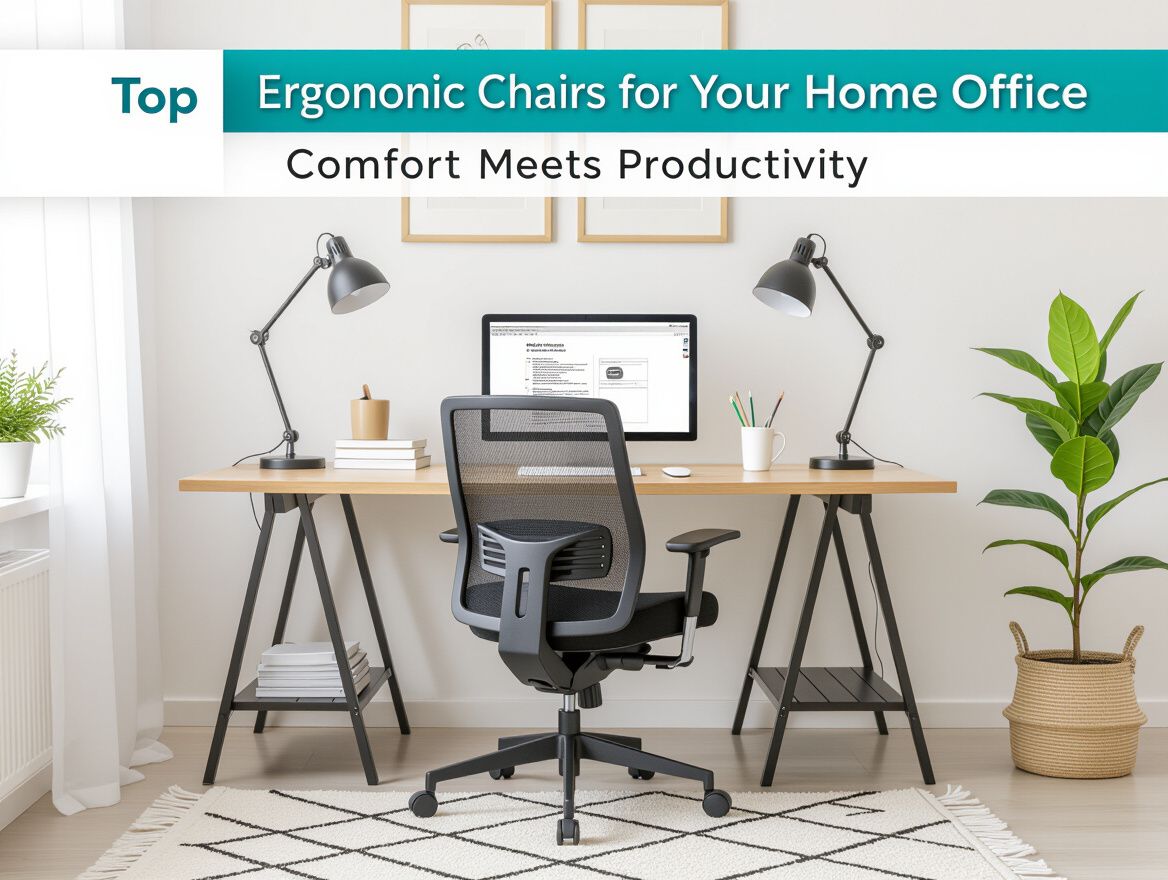
Top Ergonomic Chairs for Your Home Office: Comfort Meets Productivity
Understanding the Importance of Ergonomic Chairs
Ergonomic chairs are designed to support the body comfortably during long periods of sitting, which is crucial for anyone working from home. These chairs promote good posture, reduce strain on the back, neck, and shoulders, and can significantly enhance productivity by allowing users to focus on their tasks rather than discomfort.
The rise of remote work has changed the way individuals approach their home office setups. With more people spending extended hours at their desks, the selection of an ergonomic chair has become increasingly important. Here are some key benefits to consider:
- Posture Support: Ergonomic chairs often feature adjustable lumbar support, seat height, and armrests, which help maintain proper alignment and reduce the risk of musculoskeletal issues.
- Increased Comfort: Many ergonomic models use breathable materials and cushioning that can enhance comfort during long work sessions.
- Enhanced Productivity: A comfortable seating arrangement can lead to improved focus and efficiency, as discomfort can be a significant distraction.
As remote work continues to grow, investing in a quality ergonomic chair is essential for fostering a healthy and productive home office environment.
Key Features to Look for in Ergonomic Chairs
When selecting the best ergonomic home office chair, it's crucial to focus on features that enhance comfort and support during prolonged sitting. Here’s a checklist of essential attributes to consider:
-
Adjustability:
- Height: Ensure the chair can be adjusted to align with your desk height.
- Armrests: Look for adjustable armrests to reduce shoulder strain.
- Lumbar Support: Opt for chairs with customizable lumbar support to maintain spinal alignment.
-
Material Quality:
- Breathability: Choose chairs with mesh or breathable fabric to promote airflow and reduce heat buildup.
- Firmness: A chair should have a supportive seat that balances comfort and firmness to prevent sinking over time.
-
Mobility and Stability:
- Wheels: Ensure the chair has smooth-rolling wheels suitable for your flooring type.
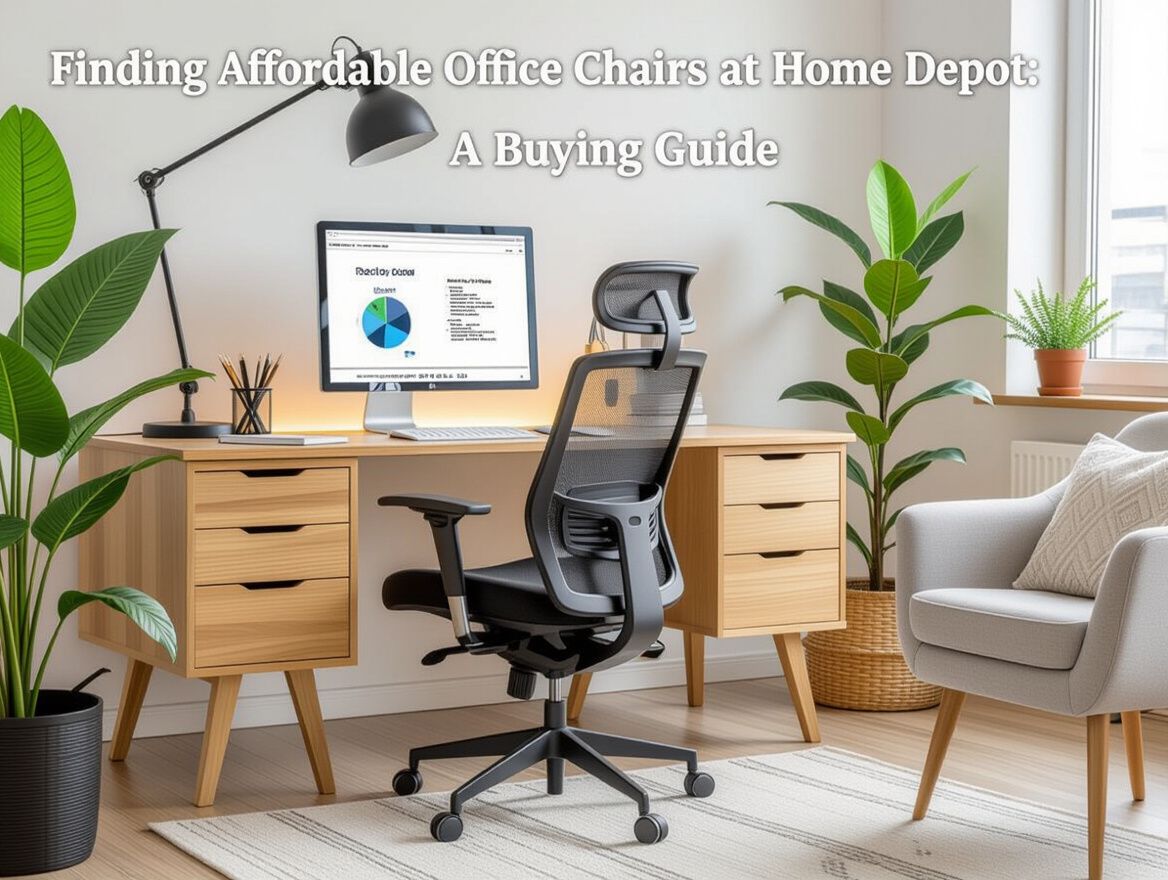
- Base Design: A five-point base is recommended for stability, preventing tipping during movement.
-
Design:
- Aesthetic Appeal: Select a chair that complements your home office decor to create a cohesive workspace.
- Fit with Office Space: Consider the chair’s size and shape in relation to your desk and overall office layout to ensure it meets your needs without crowding the space.
By carefully evaluating these features, you can make a more informed decision that aligns with your comfort and productivity requirements while working from home.
Evaluating Ergonomic Chair Options: Trade-offs and Considerations
When selecting the best ergonomic home office chair, understanding the trade-offs and considerations can significantly impact your comfort and productivity. Here are key factors to keep in mind:
Cost vs. Quality
- Budget Range: Ergonomic chairs can vary widely in price. Lower-priced options may lack essential features like adjustable lumbar support or durable materials, while higher-end models often offer better build quality and customization.
- Investment Value: Consider the long-term benefits of investing in a quality chair. A well-constructed ergonomic chair can lead to fewer health issues and improved productivity over time, potentially offsetting the initial cost.
Durability and Warranty Considerations
- Material Quality: Look for chairs made from high-quality materials that can withstand prolonged use. Common issues in cheaper models include squeaky frames and weak lumbar support.
- Warranty Terms: A robust warranty can provide peace of mind. Many reputable brands offer warranties ranging from a few years to a lifetime, indicating confidence in their product's durability.
Potential Fit Issues for Different Body Types
- Adjustability: Ergonomic chairs should accommodate various body types and sizes. Look for features like adjustable seat height, armrests, and backrest angles to ensure a proper fit.
- Testing for Comfort: If possible, try out chairs before purchasing. What feels comfortable for one person may not suit another, so prioritize finding a chair that aligns with your specific body dimensions and sitting habits.
By weighing these considerations, you can make a more informed decision when choosing an ergonomic chair that enhances your home office setup.
Comparing Popular Ergonomic Chair Brands
When selecting the best ergonomic home office chair, understanding the features and reputations of leading brands is crucial. Two of the most recognized names in this space are Herman Miller and Steelcase. Both brands have built a reputation for producing high-quality chairs designed to enhance comfort and productivity during long hours of sitting.
Key Features to Consider
- Adjustability: Look for chairs with multiple adjustable components, including seat height, armrests, and lumbar support. This flexibility allows users to customize the chair to their body type and working style.
- Material Quality: Durable materials not only improve longevity but also comfort. Mesh backs may offer breathability, while padded seats can provide additional cushioning.
- Ergonomic Design: Features like lumbar support, seat depth adjustment, and a reclining backrest can significantly impact comfort, especially for extended use.
Brand Insights
- Herman Miller: Known for its iconic Aeron chair, Herman Miller emphasizes ergonomic design and sustainability. Users frequently praise their chairs for excellent support and durability, although they may come at a premium price.
- Steelcase: The Steelcase Leap chair is often highlighted for its advanced ergonomic features, including a flexible backrest and adjustable lumbar support. Many users appreciate its comfort during long working hours, making it a popular choice for home offices.
User Reviews and Expert Recommendations
User feedback is invaluable when evaluating ergonomic chairs. Platforms like Reddit and specialized forums often feature discussions where users share their experiences with various models. Many recommend purchasing used or refurbished options to save on costs while still enjoying the benefits of top-tier ergonomic designs.
Expert reviews from sources like PCMag and Wirecutter frequently endorse these brands, citing their commitment to ergonomic innovation and user comfort. However, potential buyers should be aware of common issues such as squeaky frames or inadequate lumbar support in lower-tier models.
Trade-offs and Considerations
While investing in a high-quality ergonomic chair can improve comfort and productivity, it's important to consider potential trade-offs:
- Cost: Premium ergonomic chairs can be a significant investment. Weigh the features against your budget to find a suitable option.
- Fit: Not all chairs will suit every body type. It's advisable to try chairs in person if possible, to ensure a good fit for your height and weight.
- Durability: Lower-priced options may sacrifice longevity for affordability. Consider the long-term value of a more expensive chair that may last longer.
By carefully comparing these factors, you can make an informed decision that aligns with your ergonomic needs and home office setup.
Common Risks and Issues with Ergonomic Chairs
When selecting one of the best ergonomic home office chairs, it's crucial to be aware of potential risks and issues that can arise. While these chairs are designed to enhance comfort and productivity, certain common problems can detract from their effectiveness and your overall experience.
-
Squeaky Frames: One frequent complaint among users is that some ergonomic chairs may develop squeaky frames over time. This noise can be distracting and may indicate a need for maintenance or replacement.
-
Weak Lumbar Support: Not all ergonomic chairs provide adequate lumbar support, which can lead to discomfort during prolonged use. It's essential to test the lumbar feature to ensure it fits your back properly and maintains your posture.
-
Poor Fit or Adjustment Issues: A chair that doesn’t fit your body size or shape can lead to discomfort. Many ergonomic chairs offer adjustable features, but if these adjustments are not sufficient for your needs, you may experience strain or pain.
-
Low-Quality Materials: Investing in a chair made from low-quality materials can result in a lack of durability. Cheaper options may not provide the support needed for long hours of sitting, leading to premature wear or breakdown.
-
Overlooking Personal Preferences: Ergonomics can be subjective; what works for one person may not work for another. It's important to consider your own comfort preferences, including seat depth, armrest height, and cushion firmness.
Advice for Avoiding Low-Quality Options
To mitigate these risks, consider the following guidelines when shopping for ergonomic chairs:
-
Research Brands: Look for reputable brands known for their commitment to quality and ergonomic design. User reviews and recommendations can provide valuable insights.
-
Test Before You Buy: If possible, try out chairs in-store to assess comfort and fit. Pay attention to how the chair adjusts to your body and whether it meets your ergonomic needs.
-
Check Warranty and Return Policies: A good warranty can offer peace of mind, ensuring that you can return or exchange the chair if it does not meet your expectations.
By being aware of these common risks and actively seeking out solutions, you can make a more informed decision when choosing an ergonomic chair for your home office.
Frequently Asked Questions About Ergonomic Chairs
What makes a chair ergonomic?
An ergonomic chair is designed to support the body in a way that promotes good posture and reduces strain during prolonged sitting. Key features that define ergonomic chairs include:
- Adjustable lumbar support: This helps to maintain the natural curve of the spine.
- Seat height adjustment: Allows users to position the chair to match their desk height.
- Armrest adjustability: Supports the arms and shoulders, reducing tension.
- Breathable materials: Enhances comfort by allowing air circulation, preventing overheating.
These features collectively aim to alleviate discomfort and promote a healthier sitting posture.
How do I know if an ergonomic chair is right for me?
Determining if an ergonomic chair suits your needs involves assessing personal comfort and specific requirements. Consider the following:
- Adjustability: Ensure the chair can be customized to fit your body dimensions. If you find yourself frequently shifting positions or experiencing discomfort, it may indicate a poor fit.
- Work habits: Think about how long you sit at your desk daily. If you spend several hours working, a chair with extensive ergonomic features may be beneficial.
- Physical conditions: Existing back or neck issues might necessitate a chair with specialized support options.
Testing a chair before purchase, if possible, can provide valuable insight into its suitability.
What are the signs of a quality ergonomic chair?
Identifying a quality ergonomic chair involves evaluating both its construction and features. Look for:
- Build quality: A sturdy frame and high-quality materials indicate durability.
- Warranty and return policy: Good manufacturers offer warranties that reflect confidence in their products.
- User reviews: Feedback from other users can highlight potential issues or advantages not immediately apparent.
A well-constructed ergonomic chair should provide long-term comfort and support, making it a worthwhile investment for your home office.
Making the Right Choice for Your Home Office
Selecting the right ergonomic chair is a critical decision for anyone working from home. The ideal chair can significantly enhance comfort and productivity, allowing you to focus on your tasks without the distraction of discomfort. When evaluating your options, consider the following criteria:
-
Adjustability: Look for chairs that offer multiple adjustment features, including seat height, lumbar support, and armrest positioning. This customization ensures a better fit for your body type and personal preferences.
-
Material Quality: The materials used in the chair can impact both comfort and durability. Breathable fabrics and high-density foam cushioning can promote airflow and reduce fatigue during long work hours.
-
Support Features: Prioritize chairs with built-in lumbar support to maintain proper spine alignment. Some models also include headrests and seat depth adjustments, which can further enhance support.
-
Mobility and Stability: A chair with wheels and a stable base allows for easy movement around your workspace, while a solid construction ensures safety and prevents tipping.
While evaluating these features, it's essential to weigh them against your individual needs and work habits. For instance, if you frequently switch between sitting and standing, consider models that facilitate easy adjustment. Additionally, think about your workspace layout and whether you require a chair that fits seamlessly with your desk setup.
As you explore your options, remember that investing in a quality ergonomic chair is not just about immediate comfort; it's about long-term health and productivity. Take your time to assess different models and find one that aligns with your comfort and productivity goals. This thoughtful approach will ultimately lead to a more satisfying home office experience.