How to Resolve Printer Paper Jams in Canon Printers
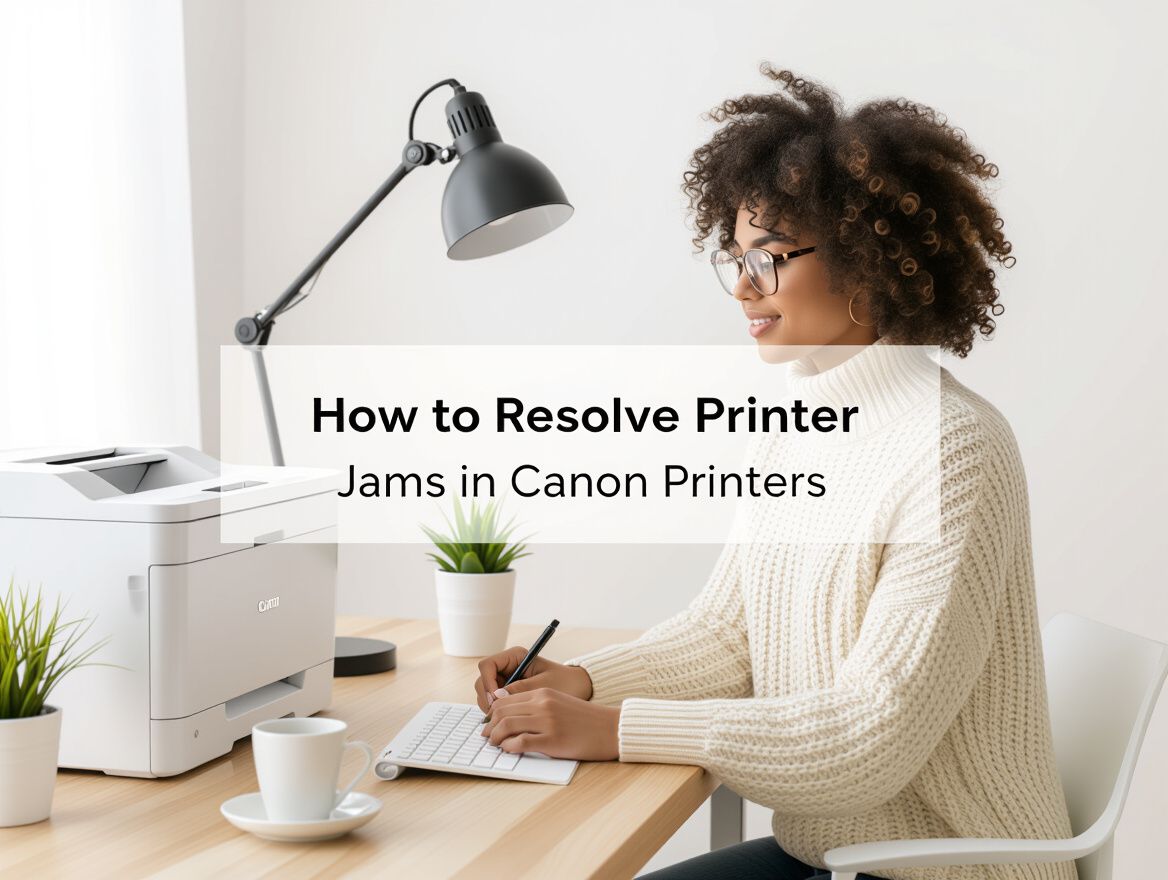
Understanding Printer Paper Jams in Canon Printers
Printer paper jams are a common frustration for Canon printer users, impacting printing efficiency and productivity. A paper jam occurs when sheets of paper become stuck in the printer, preventing further operations. These jams can happen in various models and are often due to several underlying issues.
Common Causes of Paper Jams:
-
Incorrect Paper Loading: Loading the paper incorrectly or using the wrong type of paper can lead to jams. Always ensure the paper is aligned properly and is compatible with your printer model.
-
Worn or Dirty Rollers: Over time, the rollers that feed the paper may wear down or accumulate dust and debris, causing them to malfunction.
-
Obstructions: Small scraps of paper or foreign objects can obstruct the paper path, leading to false jams where the printer indicates a jam even when there is no visible paper stuck.
-
Humidity and Paper Quality: High humidity can cause paper to stick together, while low-quality paper may not feed properly, increasing the likelihood of jams.
Understanding these causes can help users take proactive measures to minimize the risk of paper jams, ensuring smoother printing operations.
Step-by-Step Guide to Fixing Paper Jams
Resolving paper jams in Canon printers can be straightforward if you follow a systematic approach. Here’s a detailed guide to help you troubleshoot and fix paper jams effectively.
1. Turn Off the Printer
Before attempting any fixes, ensure your printer is turned off. This not only prevents any electrical issues but also allows you to safely access the printer's internal components without risk of injury.
2. Access the Paper Path
- Open Access Panels: Depending on your Canon printer model, locate and open the appropriate access panels. This is typically found at the back or front of the printer.
- Check the Paper Tray: Remove the paper tray to inspect for any visible obstructions or jammed paper.
3. Identify and Remove Jammed Paper
- Visible Jams: If you see paper stuck in the rollers or the paper path, gently pull it out. Make sure to remove the entire sheet; leaving scraps can lead to future jams.
- Invisible Jams: If your printer indicates a jam but no paper is visible, check for small bits of paper near the sensors. These can trigger false jam alerts.
4. Clean the Rollers
- Roller Maintenance: Dust and debris can accumulate on the rollers over time, causing paper feeding issues. Use a lint-free cloth slightly dampened with water to clean the rollers, ensuring they are free of grime.
5. Ensure Proper Paper Loading
- Check Paper Type and Size: Make sure you are using the correct type and size of paper as specified by your printer’s manual. Incorrect paper can cause jams.
- Loading Technique: When loading paper, do not overfill the tray. Ensure the paper is aligned properly and the guides are snug against the paper edges without being too tight.
6. Test the Printer
After following these steps, close all access panels, turn the printer back on, and attempt to print a test page. This will help confirm that the issue has been resolved.
Conclusion
By following these steps, you can effectively troubleshoot and resolve paper jams in your Canon printer. Regular maintenance, including cleaning the rollers and using the correct paper, can help prevent future jams and ensure smooth operation.
Checklist for Preventing Future Paper Jams
To minimize the risk of experiencing paper jams in your Canon printer, it's essential to adopt effective preventive measures. Use this checklist to ensure proper handling and maintenance of your printer.
-
Proper Paper Loading Techniques:
- Always align the paper guides in the tray to match the size of the paper you're using. This helps prevent misfeeds.
- Do not overfill the paper tray; ensure that the stack does not exceed the maximum capacity indicated.
- Fan the paper before loading to separate the sheets and reduce static cling.
-
Selecting the Right Type of Paper:
- Use paper that meets Canon's specifications for your printer model. Check the user manual for recommended paper types and weights.
- Avoid using damp, wrinkled, or damaged paper, as these can lead to jams.
- If printing photos or high-quality documents, ensure you are using compatible photo paper that is designed for your printer.
-
Regular Maintenance Tips for Printer Rollers and Components:
- Clean the printer rollers regularly using a soft, lint-free cloth. Dust and debris can accumulate and cause paper to jam.
- Inspect the rollers for wear and replace them if they appear damaged or worn out.
- Schedule periodic maintenance checks to ensure all printer components are functioning correctly and are free from obstructions.
By following these preventive measures, you can significantly reduce the likelihood of encountering paper jams in your Canon printer, ensuring a smoother printing experience.
Common Causes of Paper Jams in Canon Printers
Understanding the common causes of paper jams in Canon printers can help you troubleshoot and resolve these frustrating issues effectively. Paper jams can stem from both visible and invisible sources, impacting your printer's performance and reliability.
-
Visible vs. Invisible Jams: A visible jam occurs when paper is physically stuck within the printer's mechanism. In contrast, an invisible jam, often referred to as a "false jam," occurs when sensors detect an obstruction even when no paper is present. This can happen due to small scraps of paper lodged near the sensors or issues with the sensor itself.
-
Impact of Paper Quality and Size: The type and size of paper used in your Canon printer can significantly affect its operation. Low-quality paper or paper that does not meet the printer's specifications can lead to frequent jams. Additionally, using paper that is too thick or too thin can cause misfeeds, resulting in jam notifications.
-
Role of Printer Settings: Printer settings play a crucial role in how paper is handled. Incorrect settings for paper type, size, or feeding method can lead to jams. Always ensure that your printer settings match the paper you are using, as this can help prevent jams and improve print quality.
By being aware of these common causes, you can take proactive measures to minimize the occurrence of paper jams in your Canon printer. Regular maintenance, such as cleaning the rollers and checking for debris, can also contribute to smoother operation.
Risks of Ignoring Paper Jam Issues
Failing to address printer paper jams in Canon printers can lead to several significant risks that may affect both the printer's performance and your overall printing experience.
-
Potential for Printer Damage: Persistent paper jams can strain the internal components of your printer. Over time, this can lead to mechanical failures, such as damaged rollers or misaligned print heads, necessitating costly repairs or even replacement of the printer.
-
Impact on Print Quality and Efficiency: Ongoing paper jams disrupt your workflow, causing delays and frustration. Moreover, repeated attempts to print through a jam can result in incomplete prints or smudged documents, compromising the quality of your output.
-
Long-Term Costs Associated with Unresolved Issues: Ignoring paper jams can lead to increased wear and tear on your printer, which may escalate maintenance costs. Additionally, if the problem persists, you may find yourself needing to invest in a new printer sooner than anticipated, which can be a significant financial burden.
By recognizing these risks, Canon printer users can prioritize timely troubleshooting and maintenance, ensuring that their devices operate smoothly and efficiently.
Frequently Asked Questions about Canon Printer Paper Jams
When dealing with printer paper jams in Canon printers, users often have several questions that can help clarify their troubleshooting efforts. Here are some common inquiries and their answers:
What should I do if my printer keeps saying there's a paper jam?
If your Canon printer repeatedly indicates a paper jam, even after you've cleared any visible paper, consider the following steps:
- Check for Small Scraps: Look for tiny pieces of paper that could be stuck near the sensors or within the printer. Even small scraps can trigger a jam alert.
- Inspect the Rollers: Worn or dirty rollers may fail to grip the paper properly. Clean the rollers with a lint-free cloth and ensure they are in good condition.
- Reset the Printer: Sometimes, a simple restart can reset the printer's sensors and clear the error message. Turn off the printer, wait a moment, and then power it back on.
How can I tell if my printer needs maintenance to prevent jams?
Regular maintenance can significantly reduce the occurrence of paper jams. Here are signs that your printer may need attention:
- Frequent Jams: If you notice an increase in paper jams, it may indicate that the rollers or other components are wearing out.
- Poor Print Quality: Inconsistent print quality can also signal that the printer requires maintenance.
- Visible Dust or Debris: If you see dust or debris inside the printer, it’s time for a thorough cleaning.
Are there specific types of paper that are less likely to jam?
Yes, the type of paper you use can influence the likelihood of jams. Consider the following:
- Quality Paper: High-quality paper designed for your specific printer model generally feeds better and reduces the chances of jams.
- Correct Weight: Ensure the paper weight is compatible with your printer. Using paper that is too thick or too thin can lead to feeding issues.
- Avoid Glossy or Textured Paper: Certain finishes, like high gloss, may not feed well, especially in printers not designed for such media.
By understanding these common questions and their answers, Canon printer users can feel more confident in troubleshooting and resolving paper jam issues effectively.
Conclusion and Next Steps
Resolving printer paper jams in your Canon printer involves understanding the common causes and implementing effective troubleshooting steps. To recap, the following measures can help you manage and prevent paper jam issues:
- Check Paper Loading: Always load paper correctly and ensure it’s suitable for your specific printer model.
- Maintain Rollers: Regularly clean and inspect the rollers for wear and debris to ensure they function properly.
- Clear Obstructions: Routinely check for small scraps of paper or foreign objects that may disrupt the paper feed mechanism.
- Monitor Paper Quality: Use high-quality paper and store it in a suitable environment to prevent humidity-related issues.
By taking these preventive measures, you can significantly reduce the likelihood of encountering paper jams. Regular maintenance of your Canon printer will not only enhance performance but also prolong the printer's lifespan.
Taking proactive steps today can save you time and frustration in the future, ensuring that your printing tasks run smoothly. If you continue to experience issues, consider consulting your printer’s manual or reaching out to Canon support for further assistance.