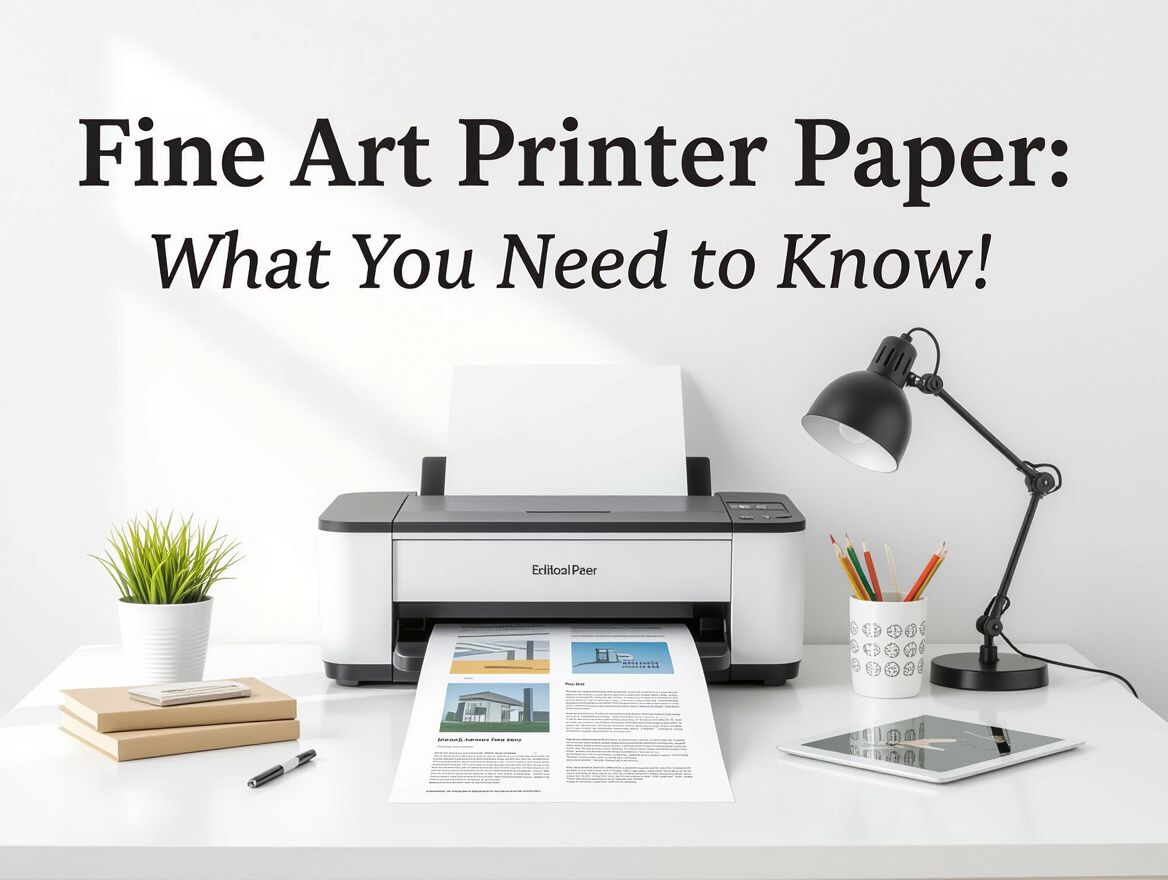
Fine Art Printer Paper: What You Need to Know
Understanding Fine Art Printer Paper
Fine art printer paper is specifically designed to enhance the quality and longevity of art and photography reproductions. This type of paper is characterized by its texture, weight, and archival properties, which are crucial for artists and photographers aiming to produce high-quality prints that replicate the original work's aesthetics.
Importance of Quality in Art Reproduction
The quality of fine art printer paper plays a pivotal role in the final output of prints. High-quality papers can elevate the vibrancy of colors, capture intricate details, and provide a suitable surface for various printing techniques. Utilizing subpar paper can lead to color cast issues and diminished print longevity, making it essential for creators to choose wisely.
Overview of Different Types Available
Artists and photographers can choose from a variety of fine art printer papers, each offering unique characteristics suited for different styles and purposes. Here are some common types:
- Cotton Rag: Known for its natural texture and durability, cotton rag paper is ideal for reproducing watercolor artworks and fine details in photography.
- Baryta Paper: This paper type provides a glossy surface that enhances color vibrancy and contrast, making it suitable for high-contrast images.
- Textured Papers: These papers mimic the feel of traditional watercolor papers, adding depth and character to prints, which is particularly beneficial for art reproductions that require a tactile quality.
Understanding these characteristics and types will empower artists and photographers to make informed decisions tailored to their specific needs and artistic intent.
Key Selection Criteria for Fine Art Printer Paper
When selecting fine art printer paper, understanding the key characteristics is essential for achieving the best results in your artistic projects. Here are the critical factors to consider:
-
Weight and Thickness (GSM Range): The weight of the paper, measured in grams per square meter (GSM), significantly influences its handling and print quality. For budget prints, papers in the 110–140 GSM range may suffice, but for high-end art prints, consider options between 310–400 GSM for a more substantial feel and improved durability.
-
Texture and Finish Options: The texture of the paper can enhance the visual impact of your prints. Options include smooth finishes for high-precision photography and textured surfaces for artwork that mimics traditional media. Choosing the right texture aligns with your artistic intent, whether you seek bold contrasts or a more natural appearance.
-
Archival Quality and Longevity: Fine art printer papers are often designed to be archival or museum-grade, ensuring that your prints resist fading and deterioration over time. Look for papers specifically labeled as archival to guarantee longevity, particularly if your work is intended for exhibitions or sales.
-
Compatibility with Printers and Inks: Not all fine art papers work well with every printer or ink type. Ensure that the paper you choose is compatible with your specific printer model and the ink you use, as this can affect color accuracy and print quality. Proper ICC profiles may be necessary to achieve optimal results and avoid color cast issues.
By carefully evaluating these criteria, you can select fine art printer paper that best suits your artistic needs and enhances the quality of your prints.
Understanding Trade-offs and Risks
When selecting fine art printer paper, it's essential to weigh the potential trade-offs and risks that can impact your final prints. Here are key considerations to help navigate these challenges:
-
Color Accuracy: One of the most common issues with fine art printer paper is achieving the desired color accuracy. Color casts can arise from incompatible ICC profiles or printer settings, leading to prints that do not reflect the original artwork accurately. To mitigate this risk, ensure that you use a paper known for its color fidelity and pair it with the correct ICC profile tailored for that specific paper.
-
Cost versus Quality: Fine art printer paper can range significantly in price, often reflecting the quality and characteristics of the paper. While premium options may offer superior texture and longevity, budget choices might suffice for less critical prints. Assess your needs—are you creating a portfolio piece or a casual print? This decision will help determine the right balance between cost and quality.
-
Impact on Print Durability: The choice of paper can significantly influence the durability of your prints. Archival-quality papers are designed to resist fading and deterioration over time, making them suitable for exhibitions and sales. In contrast, lower-quality papers may not offer the same longevity, risking the integrity of your artwork. Consider your intended use and how long you expect the prints to last when making your selection.
By understanding these trade-offs and risks, you can make a more informed decision when choosing fine art printer paper that aligns with your artistic vision and practical needs.
Common Problems When Using Fine Art Printer Paper
When working with fine art printer paper, artists and photographers may encounter several challenges that can affect print quality and overall satisfaction. Understanding these common problems and their solutions can enhance your purchasing decisions and printing outcomes.
Troubleshooting Color Issues
One of the most prevalent issues is color accuracy. Often, prints may appear with an unwanted color cast. This can stem from using incorrect ICC profiles or improper printer settings. To address this:
- Test Known Good Profiles: Start with an ICC profile that has produced satisfactory results in the past. If the print still shows a color cast, the issue may lie with the printer itself rather than the paper.
- Calibrate Your Printer: Regular calibration ensures that your printer settings align with the paper you are using, which is crucial for achieving accurate colors.
Setting Up Printers for Optimal Results
Setting up your printer correctly is vital to avoid issues like banding or inconsistent color output. Consider the following:
- Paper Type Selection: Ensure that your printer is set to recognize the specific type of fine art paper you are using. This affects ink distribution and drying time.
- Print Quality Settings: Adjust your print settings to high quality, especially when working with textured or heavyweight papers, to maximize detail and color vibrancy.
Choosing the Right ICC Profiles
The right ICC profile can make a significant difference in print quality. Here are some tips for selecting appropriate profiles:
- Manufacturer Profiles: Use profiles provided by the paper manufacturer, as they are tailored for their specific products.
- Custom Profiles: For the best results, consider creating a custom ICC profile. This requires a calibration tool but can yield superior color accuracy tailored to your specific printer and paper combination.
By proactively addressing these common challenges, you can enhance your experience with fine art printer paper and ensure that your prints meet your artistic vision.
Fit Limits and Buyer Considerations
When selecting fine art printer paper, understanding the distinct characteristics of various types can enhance your decision-making process. Each paper type serves different artistic intents and use cases, which can influence the final outcome of your prints.
Comparison of Paper Types
-
Cotton Rag: This paper is favored for its natural texture and archival quality. It's excellent for reproducing artworks that require fine detail, such as paintings or photographs with subtle tonal shifts. Cotton rag typically has a weight range of 300-400 GSM, making it sturdy and suitable for high-end prints.
-
Baryta Paper: Known for its glossy finish, baryta paper enhances color vibrancy and contrast, making it an ideal choice for high-contrast images. It is often used in photographic prints where detail and depth are paramount. However, its reflective surface may not be suitable for all artistic intents, particularly those requiring a matte finish.
-
Textured Papers: These papers, resembling traditional watercolor paper, add a tactile quality to prints. They are particularly beneficial for art reproductions that seek to maintain the original's feel. Textured papers can vary significantly in weight and surface finish, making it essential to match them with the intended artwork to achieve the desired effect.
Best Use Cases for Each Type
- Cotton Rag: Best for fine art reproductions, photography, and archival projects where longevity and detail are critical.
- Baryta: Ideal for high-contrast photographic prints and vibrant images that require a glossy finish.
- Textured Papers: Perfect for reproducing traditional artworks, such as watercolors or mixed media pieces, where the texture enhances the overall aesthetic.
Artistic Intent Influences Paper Choice
Your choice of fine art printer paper should align with your artistic vision. Consider how the paper's characteristics will complement your work:
- Color and Detail: If your focus is on color accuracy and detail, cotton rag or baryta may be more suitable.
- Texture and Feel: For artworks that benefit from a tactile element, textured papers can add depth and character.
Understanding these fit limits and considerations will help you select the right fine art printer paper for your specific needs, ensuring that your prints reflect your artistic intent while maintaining quality and longevity.
Frequently Asked Questions
When considering fine art printer paper, potential buyers often have specific questions that can influence their purchasing decisions. Here are some common queries and insights to help navigate the selection process.
What buyer problems does fine art printer paper solve?
Fine art printer paper addresses several key issues that artists and photographers encounter with standard printing materials:
- Color Accuracy: High-quality fine art papers reduce the risk of color cast issues that can arise from using incompatible papers or incorrect ICC profiles. This ensures that the printed colors closely resemble the original artwork.
- Print Longevity: Archival-grade fine art papers are designed to resist fading and yellowing, which is crucial for preserving artwork over time, especially for exhibitions or sales.
- Texture and Feel: The right paper can enhance the tactile quality of prints, providing a more authentic feel that resonates with art collectors and audiences.
Which features should change the shortlist?
When narrowing down choices for fine art printer paper, consider the following features that can significantly impact print quality:
- GSM (Grams per Square Meter): Heavier papers (310–400 GSM) are typically preferred for high-end art due to their durability and ability to hold ink better, while lighter papers (110–140 GSM) may suffice for budget projects.
- Surface Texture: The choice between smooth, textured, or glossy finishes can affect the final look of the print. For example, textured papers can add depth to reproductions, while glossy surfaces may enhance color vibrancy.
- Archival Properties: Look for papers labeled as archival or museum-grade to ensure long-lasting prints that maintain their quality over time.
What are the most common issues faced by buyers?
Buyers of fine art printer paper often encounter several challenges:
- Compatibility with Printers: Not all papers work well with every printer, particularly when it comes to ink types (dye vs. pigment). Ensuring compatibility is crucial to avoid print failures.
- Color Management: Without proper color profiles and settings, achieving the desired color accuracy can be difficult. It's essential to test with known good profiles to identify any issues.
- Cost vs. Quality Trade-offs: While premium papers can be more expensive, they often yield better results. Balancing budget constraints with the need for high-quality output is a common concern for many artists and photographers.
By addressing these frequently asked questions, artists and photographers can make more informed choices when selecting fine art printer paper, ultimately enhancing their printing outcomes.
Final Thoughts on Choosing Fine Art Printer Paper
Selecting the right fine art printer paper is crucial for achieving the desired results in your artistic endeavors. As you reflect on your choices, consider the following key points to guide your decision-making:
-
Selection Criteria Recap: Focus on weight (GSM), texture, finish, and archival quality. Higher GSM papers (310–400) offer durability and a premium feel, while texture can enhance the depth and character of your prints.
-
Trade-offs and Fit: Different papers serve varying artistic intents. For instance, a glossy baryta paper may be ideal for high-contrast photography, while a textured cotton rag is better suited for watercolor reproductions. Understanding these nuances can help you choose the best fit for your specific project.
-
Personal Artistic Needs: Reflect on your style and the type of work you produce. Your choice in fine art printer paper should align with your artistic vision and the requirements of your subject matter.
As you navigate your options, we encourage you to explore recommended products that align with your criteria. Making an informed choice will not only enhance the quality of your prints but also ensure that your artistic expressions are preserved for years to come.