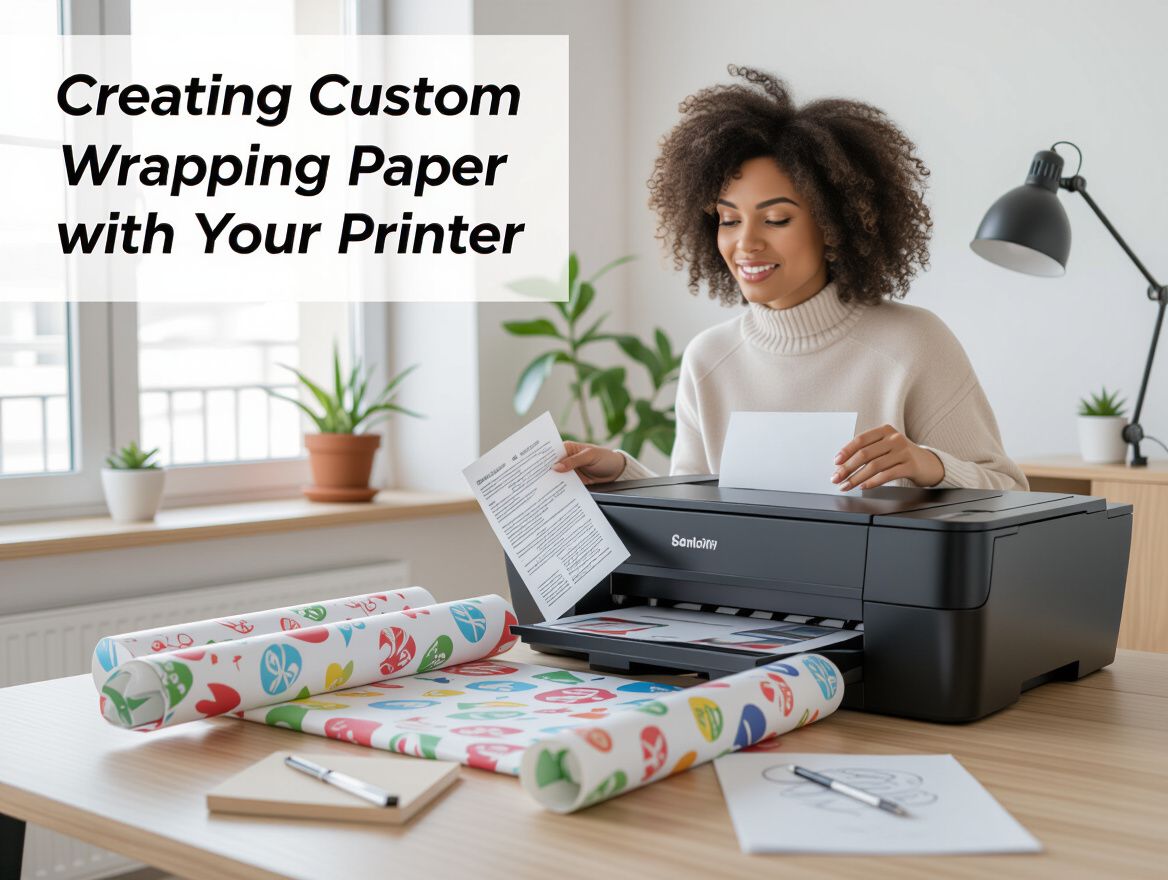
Creating Custom Wrapping Paper with Your Printer
Introduction to Custom Wrapping Paper Printing
Creating custom wrapping paper allows individuals and businesses to add a personal touch to gift-giving or branding efforts. Custom wrapping paper is defined as uniquely designed paper used to wrap gifts, often featuring personalized images, colors, or logos. This form of gift wrap is an excellent way to celebrate special occasions, promote businesses, or simply express creativity.
The appeal of personalized wrapping lies in its ability to transform a simple gift into a memorable experience. It showcases thoughtfulness and can enhance brand recognition for businesses. Whether you're a creative individual looking to impress loved ones or a business aiming to stand out, custom wrapping paper offers an opportunity to express your unique style.
In this article, we will explore the different types of printers suitable for creating custom wrapping paper, the trade-offs involved in selecting the right printer, and important considerations to ensure your project meets your needs. We will also discuss the potential risks and challenges associated with custom printing, helping you make an informed decision that aligns with your creative or business objectives.
Key Buying Criteria for Custom Wrapping Paper Printers
When selecting a custom wrapping paper printer, it's essential to evaluate several key criteria to ensure that you meet your specific needs, whether for personal use or business branding. Here’s a checklist to guide your decision-making process:
-
Print Quality and Resolution: Look for printers that offer high-resolution output, as this will directly affect the visual appeal of your wrapping paper. A minimum DPI (dots per inch) of 1200 is recommended for vibrant colors and clear images.
-
Speed and Efficiency: Consider how quickly the printer can produce sheets of wrapping paper, especially if you have large orders or events. High-speed models, such as HP PageWide printers, can be beneficial for bulk printing.
-
Cost of Materials and Ink: Factor in the ongoing costs for paper and ink. Some printers may have a lower initial purchase price but result in higher long-term expenses due to expensive consumables. Assess your budget carefully.
-
Size and Format Compatibility: Ensure the printer can handle various paper sizes and formats that match your wrapping paper design needs. Compatibility with larger sheets may be necessary for gifts of different dimensions.
-
User-Friendliness and Software Integration: Choose a printer that is easy to use, with intuitive software for designing and printing your wrapping paper. Look for compatibility with design tools you already use to streamline the process.
Evaluating these criteria will help you make an informed choice that balances quality, cost, and usability, ensuring your custom wrapping paper meets your creative or branding aspirations.
Understanding Trade-offs and Limitations
When considering a custom wrapping paper printer, it's essential to weigh the trade-offs and limitations that come with different types of printers. Here are key factors to keep in mind:
-
Initial Investment vs. Long-term Costs: Some printers, like the HP PageWide, may have a high upfront cost but can be cost-effective over time due to their speed and efficiency. However, consider the ongoing costs of ink and materials, which can add up significantly, especially if you're producing large quantities.
-
Quality vs. Speed: Depending on your needs, you may prioritize either print quality or speed. High-quality printers typically offer superior color accuracy and detail, but they may operate at a slower pace. Conversely, faster printers can churn out designs quickly but might compromise on the fine details that make your wrapping paper stand out.
-
Versatility vs. Specialization: Some printers are designed for multiple purposes, allowing you to print various materials beyond wrapping paper, while others specialize solely in high-quality gift wrap. If you need a multi-functional printer, consider whether the specialized printer's quality justifies its limited use.
-
Reliability and Maintenance Considerations: Reliability is crucial for consistent output, especially for businesses relying on custom wrapping paper for branding. Regular maintenance can be a factor; some printers require more upkeep than others, which could affect your workflow and costs in the long run.
Understanding these trade-offs will help you make a more informed decision tailored to your specific needs, whether for personal gift-giving or business branding.
Identifying the Right Fit for Your Needs
When it comes to creating custom wrapping paper, the type of printer you choose can greatly influence your results and efficiency. Understanding the distinctions between printer types is essential for both personal projects and commercial applications.
Home Use vs. Commercial Use
- Home Printers: Typically inkjet or laser printers, suitable for small batches. They allow for creative flexibility, especially with custom designs. However, they may not handle larger paper sizes or high-volume printing effectively.
- Commercial Printers: Designed for high-volume production, often featuring wider paper handling capabilities. They can be more expensive initially but are built for durability and speed, making them ideal for businesses needing consistent output.
Small Batch Printing vs. Large Volume Printing
- Small Batch: Ideal for personal gifts or small business needs. Inkjet printers often excel here, offering high-quality prints with vibrant colors but may require frequent ink replacements.
- Large Volume: Businesses looking to produce wrapping paper at scale should consider production printers. These can handle heavy workloads and often come with specialized features for efficiency, though they involve higher upfront costs and maintenance considerations.
Different Printer Brands and Models
- HP PageWide Printers: Known for their speed and cost-effectiveness in commercial settings. They offer a balance between quality and efficiency, making them a popular choice for large print runs.
- Printify and Overnight Prints: These platforms allow users to design and order custom wrapping paper without the need for personal printers, providing a cost-effective solution for businesses that prefer outsourcing.
Key Considerations
- Cost and Budget: Weigh the initial investment against long-term needs. High-quality commercial printers often come with a higher price tag but can save money in the long run through efficiency.
- Space and Setup: Ensure adequate space for larger printers, as they may require a dedicated area with specific electrical requirements.
- Material and Ink Costs: Be mindful of ongoing costs associated with different printer types, as these can add up over time, especially for high-volume printing.
By carefully assessing these factors, you can select a custom wrapping paper printer that aligns with your specific needs, whether for personal creativity or business branding.
Risks and Caveats to Consider
When venturing into the world of custom wrapping paper printing, it's essential to be aware of several risks and caveats that could impact your experience and investment. Understanding these factors can help you make more informed decisions and avoid potential pitfalls.
-
High Costs of Ink and Materials: Printing custom wrapping paper can become expensive due to the high costs associated with quality ink and specialized paper. This can quickly add up, especially for larger projects or frequent printing. It's important to factor in these ongoing costs when budgeting.
-
Potential for Printer Malfunctions: Depending on the printer you choose, malfunctions can occur, leading to wasted materials and time. Not all printers are designed for high-volume or specialty printing, so selecting a reliable model is crucial to minimize this risk.
-
Consideration of Workspace Limitations: Custom wrapping paper printing may require a considerable amount of space for both the printer and the materials. If you have limited workspace, this could restrict your ability to print effectively, making it essential to evaluate your setup before proceeding.
-
Long-term Commitment to Printing Solutions: Investing in a custom wrapping paper printer often means committing to a specific printing solution for the long term. This includes not only the initial investment but also ongoing maintenance, ink purchases, and potential upgrades. Carefully consider whether you are ready for this commitment based on your printing needs and frequency.
By weighing these risks and caveats, you can better prepare for the challenges of creating custom wrapping paper, ensuring your investment aligns with your creative or business objectives.
Frequently Asked Questions
Creating custom wrapping paper can raise several questions, especially regarding the best practices and equipment needed for effective printing. Here are some common queries to help guide your decision-making process.
What are the best printers for custom wrapping paper?
When selecting a printer for custom wrapping paper, consider the following:
- Inkjet vs. Laser: Inkjet printers often provide superior color quality and detail, making them ideal for vibrant designs. Laser printers, on the other hand, are generally faster and more efficient for larger print runs.
- Production Printers: If you're printing in bulk, production printers like the HP PageWide can handle high volumes quickly, though they may come with a higher initial investment.
- Size and Compatibility: Ensure that the printer can accommodate the size of the wrapping paper you intend to use. Some printers are limited to standard sizes, while others can handle larger sheets.
How much does it cost to print custom wrapping paper?
Costs can vary significantly based on several factors:
- Material Costs: The type of paper and ink you choose will influence your overall expenses. Specialty papers or high-quality inks may increase costs.
- Printer Specifications: Initial costs for printers can range widely, particularly if you opt for a commercial-grade model designed for high-volume printing.
- Design Services: If you require professional design assistance, this will add to your budget.
What materials are needed for printing?
To create custom wrapping paper, you'll typically need:
- Printer: An inkjet or laser printer capable of handling the desired paper size and type.
- Paper: Quality wrapping paper that suits your design needs. Consider options like tissue paper or heavier cardstock.
- Design Software: Software tools such as Adobe Illustrator or Canva for creating your custom designs.
- Inks: Ensure you have the right ink compatible with your printer to achieve the best print quality.
Can I design my own wrapping paper?
Absolutely! Designing your own wrapping paper is a creative and rewarding process. You can use various design tools to create unique patterns, incorporate personal images, or add text. Many online platforms also allow for easy customization, enabling you to upload your designs and see them printed on the wrapping paper of your choice.
By considering these factors, you can make informed decisions about selecting the right printer and materials for your custom wrapping paper projects.
Conclusion and Next Steps
As we wrap up our exploration of creating custom wrapping paper with various printers, it’s essential to recap the key considerations that can guide your decision-making process.
- Printer Type: Different printers, such as inkjet and laser, offer varying levels of quality and speed. Inkjet printers may provide vibrant colors, while laser printers are often faster for high-volume needs.
- Cost vs. Quality: Consider the balance between initial investment and ongoing material costs. High-quality printing can be more expensive, especially with ink and paper, so evaluate your budget carefully.
- Design Flexibility: Some printers allow for more intricate designs and customizations, which can be crucial for personal or branding purposes. Ensure your chosen printer can accommodate your design needs.
- Volume Needs: If you're printing in bulk for a business, speed and reliability are paramount. Look into printers known for their efficiency and low maintenance.
With these factors in mind, we encourage you to explore the various printer options available to find the best fit for your creative or business objectives. Custom wrapping paper can significantly enhance the gift-giving experience or elevate your brand's presence, making it worth the investment.
For further assistance, please refer to the sticky product bar, where you can find tailored recommendations that align with your specific requirements. Happy printing!