Choosing the Right Letter Paper for Your Printer: A Comprehensive Guide
Introduction to Printer Letter Paper
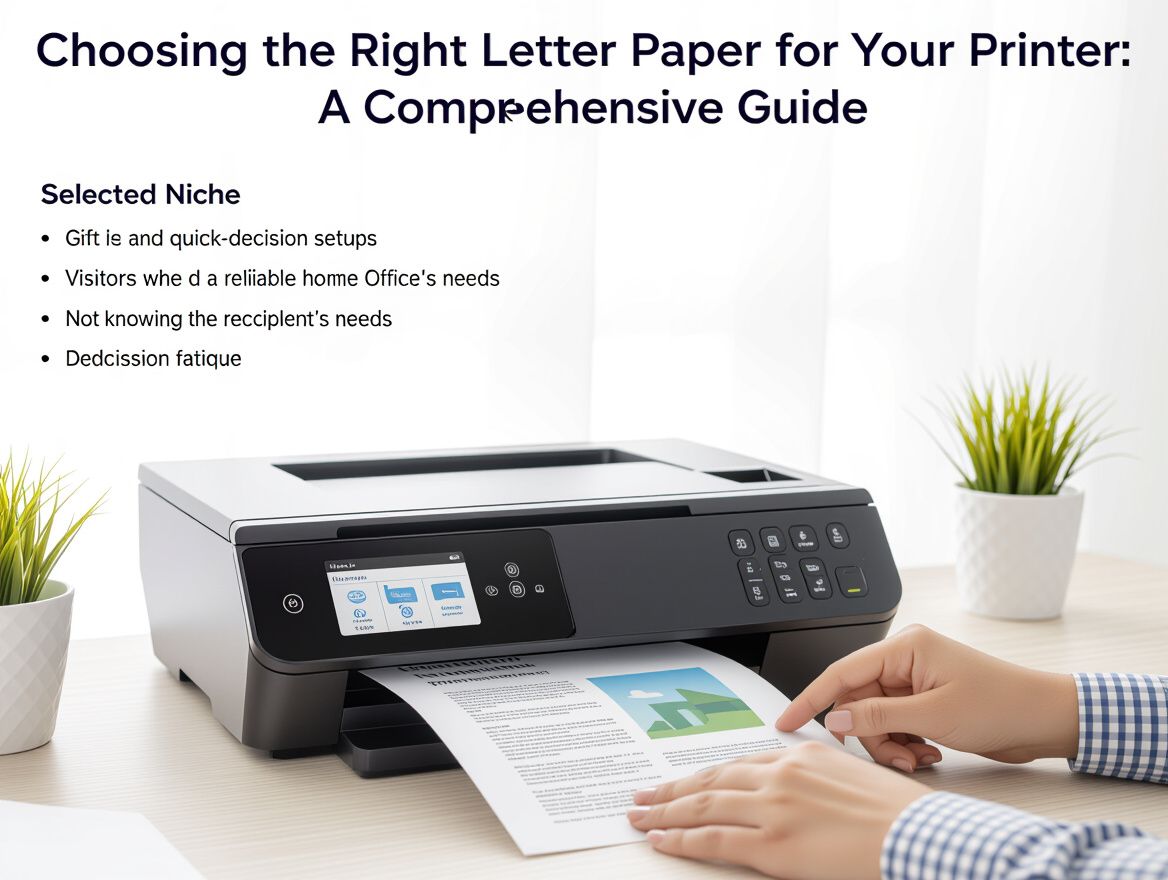
Selecting the right printer letter paper is crucial for achieving optimal printing results, whether for business correspondence or personal projects. Printer letter paper, typically measuring 8.5 x 11 inches, is the standard size used in the United States and Canada. It is commonly utilized for various applications, including formal letters, reports, and presentations.
The choice of paper directly impacts the quality of your prints. Factors such as paper type, finish, and weight can significantly influence the final output. For instance, coated paper is ideal for high-resolution images, while uncoated paper is better suited for everyday documents. Understanding these characteristics will help you select the best letter paper for your specific printer and printing needs.
As you consider your options, keep in mind the potential challenges in sourcing high-quality printer letter paper, including price fluctuations and availability. Being informed about your choices can enhance the quality of your printed materials while ensuring you select the right paper for your tasks.
Key Criteria for Selecting Letter Paper
When choosing the right printer letter paper, several essential features can affect print quality and compatibility with your specific printer. Here’s a checklist to guide your decision-making process:
-
Paper Size and Weight: The standard letter size is 8.5 x 11 inches, commonly used in the U.S. and Canada. Pay attention to the paper weight, typically measured in pounds (e.g., 20 lb, 24 lb). Heavier paper (like 24 lb) can provide a more professional feel but may also lead to feeding issues in some printers.
-
Brightness and Opacity Levels: Paper brightness affects the vibrancy of printed colors and the sharpness of text. A higher brightness rating (e.g., 92 or above) is ideal for documents where presentation is crucial. Opacity is important to prevent ink bleed-through, especially for double-sided printing.
-
Coated vs. Uncoated Options: Coated paper is excellent for high-quality images and color prints, offering a glossy finish. Uncoated paper is better for everyday printing, providing a more natural texture and typically being less expensive.
-
Compatibility with Different Printer Types: Ensure the letter paper you choose is compatible with your printer type, whether it’s inkjet, laser, or multifunction. Some paper types may perform better with specific printers, impacting print quality and the risk of jams.
By considering these criteria, you can make an informed decision that aligns with your printing needs, ensuring optimal results for both personal and professional use.
Understanding Trade-offs in Paper Selection
Selecting the right printer letter paper involves navigating a landscape of trade-offs, where cost, quality, and environmental impact intersect. Each choice carries implications for your printing outcomes, whether you’re producing text-heavy documents or vibrant images.
Cost vs. Quality Considerations
- Budget Constraints: Lower-cost papers may save money upfront but can lead to poor print quality, resulting in smudged text or faded images.
- Long-term Value: Investing in higher-quality paper can enhance the overall presentation of your documents, particularly important for professional or marketing materials.
Impact of Paper Type on Print Outcomes
- Text vs. Images: Uncoated papers are generally suitable for standard text documents, providing good readability. However, if you need to print images or colorful graphics, coated papers are advisable as they offer better color reproduction and sharpness.
- Weight and Thickness: Heavier paper (typically measured in pounds) often feels more substantial and professional, but may not be compatible with all printers. Ensure your printer can handle the paper weight you choose.
Environmental Impact of Recycled vs. Virgin Paper
- Recycled Paper: Often indistinguishable in quality from virgin paper, recycled options can be a more sustainable choice. However, they may come at a slightly higher price point.
- Virgin Paper: While typically cheaper, the production of virgin paper has a larger ecological footprint. Consider balancing your budget with environmental responsibility.
Understanding these trade-offs will help you make informed decisions that align with your specific printing needs, whether for personal use or business applications.
Risks and Caveats in Buying Printer Paper
When selecting printer letter paper, it's essential to be aware of potential pitfalls that could impact your purchase. Understanding these risks can help you make a more informed decision and avoid unnecessary complications.
-
Price Fluctuations and Supply Chain Issues: The market for printer paper can experience significant price volatility due to supply chain disruptions. Recent trends have shown price hikes of up to 20% and ongoing shortages, which may lead buyers to purchase more paper than they initially planned to secure stock. This can strain budgets and create excess inventory.
-
Misleading Product Descriptions: Not all printer letter paper is created equal. Some products may be marketed with vague or deceptive descriptions that fail to clearly outline their compatibility with specific printers or intended uses. Always check specifications carefully to ensure the paper meets your printing needs.
-
Compatibility Concerns with Specific Printers: Different printers have varying requirements regarding paper weight, size, and finish. Using incompatible paper can lead to printing issues, such as jams or poor-quality output. It's crucial to verify that the paper you choose is suitable for your specific printer model to avoid these problems.
By being aware of these risks, you can navigate the purchasing process more effectively and select printer letter paper that aligns with your needs while minimizing potential setbacks.
Frequently Asked Questions
When selecting the right printer letter paper, you may have several questions regarding its features, compatibility with your printer, and storage practices. Here are some common queries and their answers to help guide your decision-making process.
What features differentiate letter paper from other types?
Printer letter paper, typically measuring 8.5 x 11 inches, is designed for a variety of general printing tasks. Key features include:
- Weight and Thickness: Standard printer letter paper usually weighs around 20 lb, which is suitable for everyday printing. Heavier weights (e.g., 24 lb) are better for professional documents or presentations.
- Finish: Options include uncoated for general use and coated for high-quality photo printing. The finish affects the paper's texture and print quality.
- Brightness: The brightness level can impact color vibrancy; higher brightness levels (e.g., 92 or above) produce more vivid prints.
How can I ensure the paper I choose is compatible with my printer?
To ensure compatibility, consider the following:
- Printer Specifications: Check your printer's manual for recommended paper types and weights. Many printers can handle a range of paper weights, but some may have limitations.
- Paper Type: Verify that the paper is suitable for your printer type (inkjet, laser, etc.). For example, inkjet printers often perform better with specially coated papers.
- Size Compatibility: Ensure the paper size matches the settings on your printer. Most printers will allow you to select letter size, but it’s essential to confirm.
What are the best practices for storing printer paper?
Proper storage can extend the life of your printer letter paper and maintain its quality:
- Keep it Dry: Store paper in a cool, dry place to prevent moisture absorption, which can cause paper jams and affect print quality.
- Avoid Sunlight: Exposure to direct sunlight can fade and weaken the paper. Use opaque containers or cabinets for storage.
- Stacking: Avoid stacking too many reams on top of each other to prevent warping or bending. Store them flat and ensure they are sealed in their original packaging until ready to use.
Understanding these aspects can help you choose the right printer letter paper and ensure it meets your needs effectively.
Conclusion and Next Steps
Selecting the right printer letter paper is crucial for achieving optimal printing results, whether for personal or business use. The choice of paper can significantly impact print quality, durability, and overall satisfaction with your printed materials.
Before making a purchase, consider the following key points:
-
Assess Your Printer's Specifications: Different printers have varying compatibility with paper types and weights. Ensure that the paper you choose aligns with your printer's capabilities.
-
Evaluate Your Printing Needs: Consider what you will primarily use the paper for—be it professional documents, creative projects, or everyday printing. This will guide your choice in terms of finish and weight.
-
Understand the Trade-offs: Higher-quality paper may come at a premium, but it can enhance the appearance of your prints. Conversely, budget options might suffice for less critical tasks but could lead to unsatisfactory results in quality-sensitive applications.
-
Be Aware of Current Market Trends: Recent paper shortages and price fluctuations may affect availability and cost. Staying informed can help you make timely decisions and avoid potential pitfalls.
By taking these factors into account, you can confidently select the printer letter paper that best fits your specific requirements, ensuring that your printing tasks are both effective and efficient.