Choosing the Right Leather Chair for Your Home Office
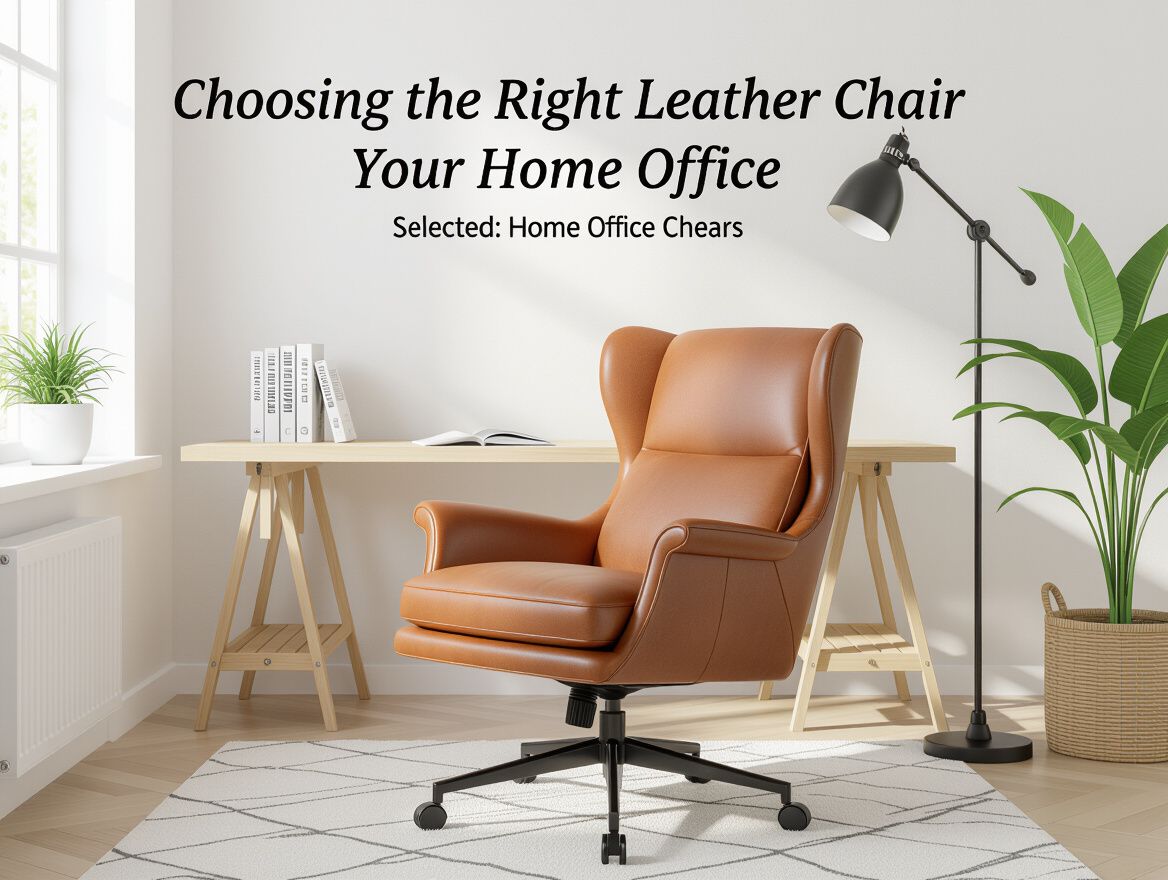
Understanding the Appeal of Leather Chairs in Home Offices
Leather chairs for home office settings offer a unique blend of comfort and sophistication, making them a popular choice for remote professionals. The visual appeal of leather can elevate the aesthetic of your workspace, providing a sense of professionalism that complements various home office styles.
Benefits of Leather Chairs
- Durability: Leather is known for its longevity, often outlasting other materials when cared for properly. This makes it a worthwhile investment for those who spend significant hours at their desks.
- Comfort: Many leather chairs come with plush padding and ergonomic designs that support long hours of sitting. The material itself can adapt to your body temperature, providing a more comfortable seating experience.
- Enhanced Productivity: A well-designed leather chair can promote better posture and reduce discomfort, which can lead to increased focus and productivity during work hours.
Considerations for Selection
While leather chairs have many benefits, it's essential to consider the following factors before making a purchase:
- Maintenance: Leather requires regular upkeep to maintain its appearance and prevent cracking. Consider whether you’re willing to invest time in caring for your chair.
- Climate Suitability: In warmer climates, leather can become uncomfortably hot, while in cooler environments, it may feel chilly. Assess how your workspace's climate may affect your comfort.
- Cost: Leather chairs can be more expensive than their fabric counterparts. Weigh the investment against your budget and how long you plan to use the chair.
By understanding these benefits and considerations, you can make an informed choice that aligns with your home office aesthetic and personal needs.
Key Features to Consider When Choosing a Leather Chair
Selecting the right leather chair for your home office involves evaluating several essential features that impact both comfort and usability. By focusing on these criteria, you can ensure your choice aligns with your aesthetic preferences and functional needs.
-
Material Quality and Types of Leather: Leather chairs come in various grades, including full-grain, top-grain, and bonded leather. Full-grain leather is the most durable and ages beautifully, while top-grain is slightly more affordable and still offers a premium look. Bonded leather is a budget-friendly option but may not provide the same longevity or comfort.
-
Ergonomic Design and Support: Look for chairs that offer lumbar support, adjustable seat height, and adequate cushioning. Ergonomic features are crucial for long hours of work, helping to prevent discomfort and promote good posture. Assess the backrest's shape and the seat's contour to ensure it fits your body type.
-
Adjustability and Functionality: A chair with adjustable armrests, seat depth, and tilt tension allows you to customize the chair to your specific needs. This flexibility can greatly enhance comfort and usability, particularly during extended work sessions.
By prioritizing these features, you can choose a leather chair that not only complements your home office aesthetic but also supports your work habits effectively. Keep in mind the potential trade-offs, such as the cost associated with higher-quality materials and ergonomic designs, as well as the maintenance required to keep leather in optimal condition.
Weighing the Pros and Cons of Leather Chairs
When selecting leather chairs for your home office, it's essential to balance the advantages against the potential drawbacks. Understanding these trade-offs can help you make an informed decision that aligns with your aesthetic and functional needs.
Durability vs. Maintenance Requirements
Leather chairs are often praised for their durability, providing a sophisticated look that can withstand years of use. However, this durability comes with a caveat: regular maintenance is required to keep the leather in good condition. This includes:
- Cleaning: Dusting and conditioning leather periodically to prevent cracking and drying.
- Avoiding Direct Sunlight: Exposure can fade and damage the leather over time.
- Temperature Sensitivity: Leather can become uncomfortable in extreme temperatures, making it less suitable for poorly climate-controlled spaces.
Cost Considerations and Investment Value
Leather chairs typically represent a higher initial investment compared to other materials. While they can be seen as a long-term investment due to their durability, it's crucial to evaluate:
- Budget: Determine if the upfront cost aligns with your financial capacity.
- Longevity: Consider how long you plan to use the chair and whether its durability justifies the price.
- Resale Value: High-quality leather chairs may retain value better than fabric counterparts, making them a potentially wise investment.
Environmental Impact of Leather Sourcing
The environmental implications of leather sourcing are significant and often overlooked. Key points to consider include:
- Sustainability: The leather industry has faced criticism for its environmental footprint, including the carbon emissions associated with livestock farming and the chemicals used in tanning processes.
- Alternatives: If sustainability is a priority, explore eco-friendly leather options or synthetic alternatives that mimic the look and feel of leather without the environmental impact.
By weighing these pros and cons, you can better align your choice of leather chairs with your home office's style, comfort, and ethical considerations.
Determining the Right Fit for Your Home Office
Selecting the perfect leather chair for your home office involves more than just aesthetics; it requires a thoughtful consideration of style, size, and environmental factors. Here’s how to ensure your choice aligns with your office decor and personal needs:
Matching Chair Aesthetics with Home Office Decor
- Style Cohesion: Consider the overall theme of your office. A modern leather chair may clash with a rustic setting, while a classic design can elevate a contemporary workspace.
- Color Palette: Choose a leather color that complements your existing furniture and decor. Darker shades often convey professionalism, while lighter hues can create a more relaxed atmosphere.
Choosing the Right Size and Scale for Your Workspace
- Proportions Matter: Ensure the chair’s size is appropriate for your desk and room dimensions. A bulky chair can overwhelm a small office, while a petite chair may look lost in a spacious environment.
- Functionality: Consider how you plan to use the chair. If you need to move frequently or adjust your position, a chair with wheels and adjustable height is essential.
Considering the Climate and Its Effect on Leather
- Humidity and Temperature: Leather can react to environmental conditions. In humid areas, it may become overly soft, while dry conditions can cause cracking. Choose a chair that suits your local climate to ensure longevity.
- Maintenance Requirements: Different types of leather require varying levels of care. Full-grain leather is more durable but may need regular conditioning, while bonded leather can be more susceptible to wear and tear.
By carefully evaluating these factors, you can select a leather chair that not only enhances your home office's aesthetic but also meets your functional requirements and withstands the test of time.
Potential Risks and Maintenance of Leather Chairs
When selecting leather chairs for your home office, it’s essential to understand the potential risks and maintenance requirements associated with them. While these chairs offer a blend of aesthetics and comfort, they are not without their challenges.
Common Issues to Consider
- Wear and Tear Over Time: Leather can develop scuffs, cracks, and peeling, especially if made from bonded leather. Changes in humidity and regular use can accelerate this degradation, leading to a less appealing appearance over time.
- Signs of Damage: Look for signs such as fading, stiffness, or visible cracks in the leather. These can indicate that the chair requires immediate attention or replacement.
Care Tips to Prolong Chair Life
- Regular Cleaning: Wipe down your leather chair with a soft, damp cloth to remove dust and debris. Use a leather conditioner periodically to keep the material supple and prevent cracking.
- Avoid Direct Sunlight: Position your chair away from direct sunlight to prevent fading and drying out the leather. Humidity control in your workspace can also help maintain the integrity of the material.
Conclusion
Understanding these risks and maintenance tips can help you make an informed decision when choosing a leather chair for your home office. By taking proactive measures, you can ensure that your investment remains both functional and stylish for years to come.
Frequently Asked Questions About Leather Chairs
When considering leather chairs for your home office, you may have several questions regarding their maintenance, comfort, and warranty policies. Here’s a breakdown of common queries to help you make an informed decision.
What are the best practices for maintaining a leather chair?
To ensure the longevity and appearance of your leather chair, follow these maintenance tips:
- Regular Cleaning: Use a soft, dry cloth to wipe down the chair regularly. For deeper cleaning, a damp cloth with mild soap can be used.
- Conditioning: Apply a leather conditioner every 6-12 months to keep the leather supple and prevent cracking.
- Avoid Direct Sunlight: Position your chair away from direct sunlight to prevent fading and drying out of the leather.
- Temperature Control: Maintain a stable environment; extreme temperatures can affect the leather's integrity.
How do leather chairs compare to fabric chairs in terms of comfort?
Leather chairs often provide a different comfort experience compared to fabric chairs:
- Temperature Sensitivity: Leather can be warmer in cooler climates and cooler in warmer climates, while fabric tends to absorb heat.
- Support and Structure: Leather chairs may offer firmer support, which some users find more comfortable for long hours of sitting, while fabric chairs can be softer and more plush.
- Durability: Leather generally has a longer lifespan than fabric, making it a more durable option, but it might require more maintenance to keep it looking good.
What should I look for in warranty or return policies?
When purchasing a leather chair, consider the following aspects of warranty and return policies:
- Length of Warranty: Look for warranties that cover at least 1-3 years for manufacturing defects.
- Coverage Details: Understand what is included in the warranty—does it cover the leather, frame, and mechanisms?
- Return Policy: Check if the retailer offers a satisfaction guarantee or a reasonable return window in case the chair doesn’t meet your expectations.
By addressing these questions, you can better navigate your options and choose a leather chair that complements both your aesthetic and functional needs in your home office.
Making the Final Decision on Your Leather Chair
As you finalize your choice of leather chairs for your home office, it's crucial to reflect on the essential buying criteria that align with your needs and aesthetic preferences. Here’s a concise recap to guide your decision:
-
Comfort and Ergonomics: Prioritize features that support good posture and comfort, especially if you spend long hours working. Look for adjustable seat height, lumbar support, and seat cushioning.
-
Style and Aesthetic Fit: Consider how the chair complements your home office decor. Leather chairs come in various styles— from classic to contemporary—so choose one that enhances your workspace's overall look.
-
Material Quality: High-quality leather can offer durability and a luxurious feel. Be aware that genuine leather may require more maintenance than synthetic alternatives, which can be easier to clean and less prone to wear.
-
Budget Considerations: Leather chairs can vary significantly in price. Determine your budget while considering the long-term investment in comfort and style that a quality chair provides.
-
Climate Suitability: Leather can be affected by temperature and humidity. If you live in a particularly hot or humid area, consider how the chair's material will perform in your environment.
Before making your final decision, take a moment to assess your personal needs and preferences. Reflect on how you work, the amount of time you spend seated, and the overall vibe you want your home office to convey. This thoughtful consideration will help you choose a leather chair that not only serves your functional requirements but also enhances your workspace's ambiance.